
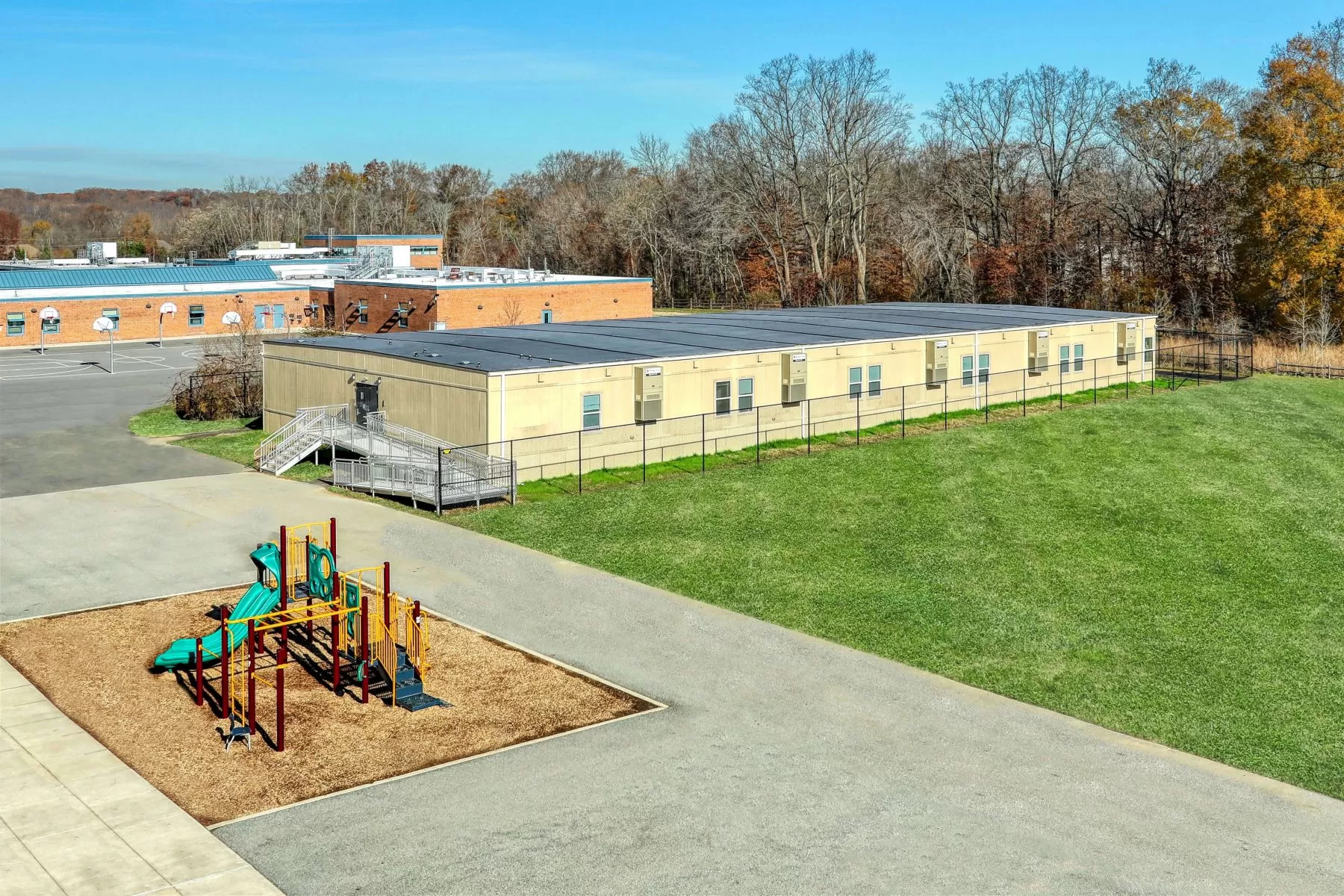
Building Smarter Learning Spaces for the future
Modular classroom building designed for scalable,long-term school development
Building Smarter Learning Spaces for the future
Modular classroom building designed for scalable,long-term school development
.webp?w=543&h=335)
Modular Classroom Buildings for Scalable School Development
.webp?w=500&h=700)
- Phased Construction Aligned with Budget Cycles Modular classrooms allow schools to expand their facilities gradually, matching construction phases with available budgets. This phased approach minimizes financial risk and ensures that growth aligns with projected enrollment and funding cycles.
- Structural Consistency Across Expansion Phases Each modular unit is engineered to integrate seamlessly with existing structures, maintaining architectural consistency and functional efficiency. Schools can add classrooms, labs, or multipurpose spaces without compromising design integrity.
- Minimal Disruption to Ongoing Campus Operations Because modules are prefabricated off-site and assembled on location, construction activities cause minimal disruption to ongoing school operations, allowing students and staff to continue normal activities safely.
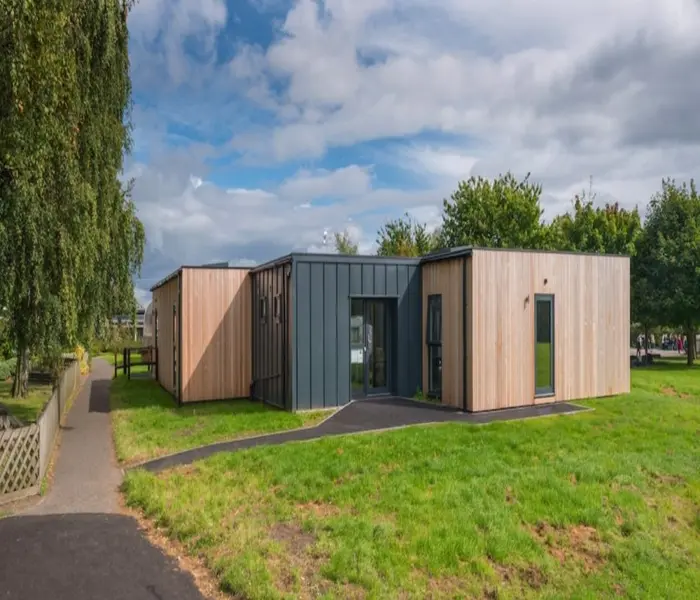
- Supporting Enrollment Growth Without Full Reconstruction As student populations increase, modular systems allow schools to scale up efficiently. Additional modules can be added to the existing footprint, eliminating the need for costly demolition or complete rebuilding.
- Adapting Spaces for Evolving Teaching Needs Modular classrooms are not limited to standard classrooms; they can include specialized facilities such as science labs, computer rooms, or multipurpose areas. Modules can be reconfigured as educational needs change over time.
Modular Classroom vs Portable Classroom
| feature | Modular Classroom | Portable Classroom |
| Duration | Long-term / Semi-permanent | Temporary / Short-term |
| Expansion | Systematic, scalable | Limited |
| Mobility | Low | High |
If your priority is long-term growth and scalability, modular classrooms provide a structured, future-proof solution.
For short-term, rapidly deployable spaces, portable classrooms remain an effective option.
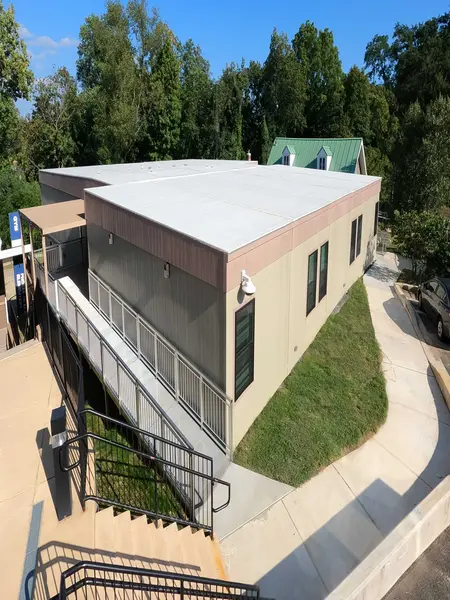
- Schools anticipating significant enrollment growth over the next 5–15 years
- Campuses planning multi-phase expansions
- Urban schools facing space constraints
- Institutions seeking highly adaptable facilities that integrate with existing infrastructure
Modular classrooms enable educational institutions to plan strategically, reduce operational disruption, and achieve a sustainable growth trajectory.
Pantrick’s Modular Classroom Approach
At Pantrick, modular classrooms are developed as part of a broader campus strategy rather than as isolated products. Our design philosophy focuses on:
-
Structural compatibility: Modules can connect seamlessly for future expansions
-
Flexible planning: Align construction phases with school growth projections
-
Compliance: All buildings meet local building codes and safety regulations
-
Integration: Harmonious alignment with existing campus layouts and functional requirements
This systematic approach ensures that modular classrooms are not just temporary additions, but an integral part of a school’s long-term development plan.
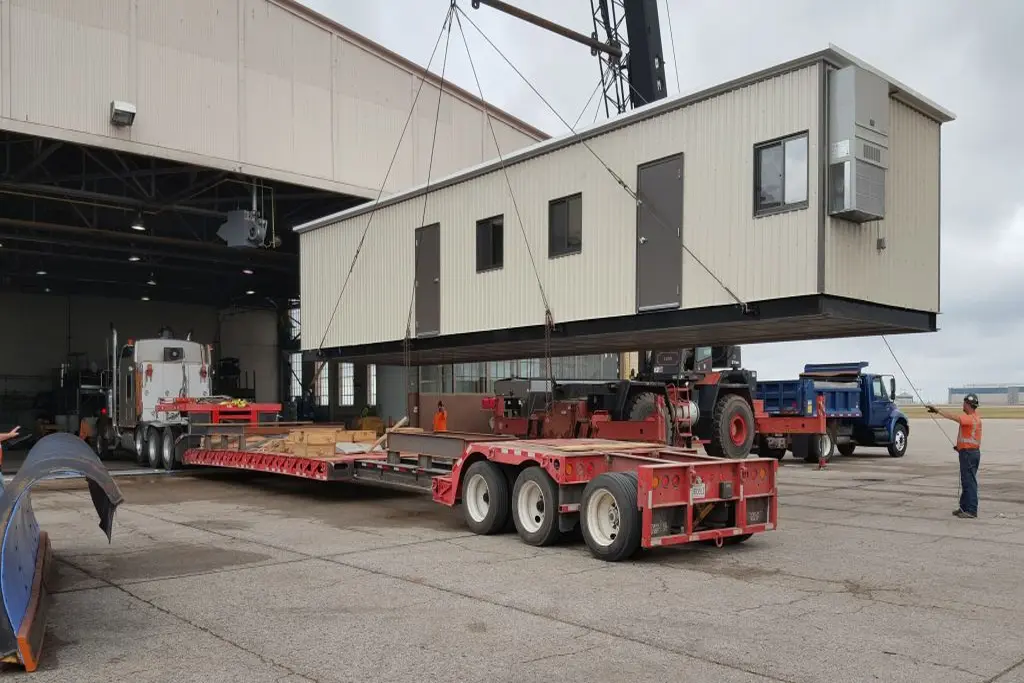
Pantrick Modular classrom Shipment
Send whole unit house direclty by FR Shipping container way
Pantrick Modular classrom Shipment
Send whole unit house direclty by FR Shipping container way
Modular classrooms can be considered permanent assets depending on their construction and installation methods. Many modular units are built to meet long-term structural standards and can integrate with existing facilities. Their classification as permanent or semi-permanent may influence maintenance planning, insurance, and property accounting practices.
Off-site fabrication allows for more controlled construction conditions compared to traditional on-site methods. Modules are built in factory settings, where environmental factors and assembly precision can be monitored closely. This often results in consistent quality, reduced material waste, and shorter on-site construction times.
Modular classrooms may require maintenance specific to their prefabricated construction, such as monitoring joints between modules, checking for water infiltration, and maintaining specialized connections for mechanical or electrical systems. Regular inspection and preventive maintenance ensure longevity and consistent performance over time.
Decision-makers typically assess modular classrooms based on factors such as anticipated enrollment growth, available campus space, budget constraints, and desired flexibility. Additional considerations include compliance with local regulations, integration with existing facilities, and the ability to meet program-specific requirements. A thorough evaluation ensures that the chosen solution aligns with long-term institutional goals.